
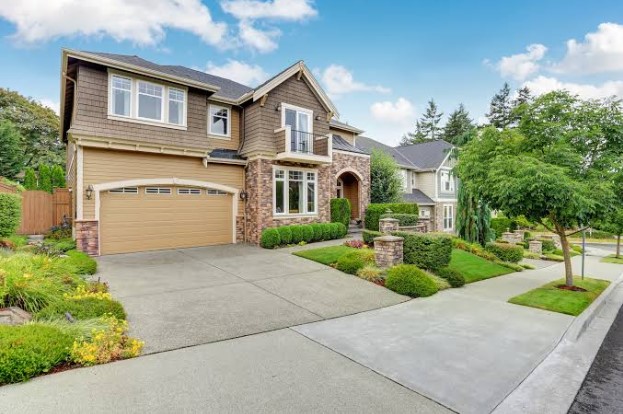

The garage door is one of the largest moving components on most homes, and for properties with attached or front-facing garages, one of the most visually prominent features of the exterior. A well-chosen door enhances curb appeal, improves insulation, and operates reliably for many years.
A poor choice or a hurried installation creates ongoing problems and may need replacement long before it should. Taking time to understand the options produces decisions that hold up well over the long term.
Material Options and Their Trade-Offs
Steel doors dominate the residential market because of their combination of durability, insulation capability, and relatively low maintenance requirements. They are available across a wide price range, with higher-end models offering thicker gauge steel, superior insulation values, and more refined panel designs. The trade-off is susceptibility to denting under impact and eventual rust if the finish is compromised without prompt attention.
Wood doors offer a genuine warmth and character that no other material replicates, and they can be custom-built to virtually any design. The trade-off is higher maintenance, requiring periodic sealing or painting to prevent warping and weathering, and a higher initial cost for comparable performance to well-insulated steel.
Fiberglass and composite options provide good resistance to moisture and denting but have a narrower appeal and may not suit all architectural styles.
Insulation and Energy Performance
For attached garages that share walls with conditioned living spaces, the insulation value of the door affects indoor comfort and energy costs. Doors are rated by R-value, with higher numbers indicating better thermal resistance. In climates with significant temperature extremes, investing in a well-insulated door makes both comfort and financial sense.
Even in milder climates, an insulated door reduces noise from the mechanical components and provides a more comfortable working environment if the garage is used as a workshop or storage space.
Selecting a Reliable Provider
Quality residential garage doors from established suppliers come with warranties that cover both the door panel and the hardware components. When evaluating options, ask about the warranty terms, what the installation includes for weatherstripping and hardware, and whether the supplier handles ongoing service needs after installation.
Garage doors should be installed by technicians experienced with the specific system being fitted. Spring tension adjustment and track alignment are safety-critical aspects of installation that require proper training and tools. Attempting DIY installation without that background creates real injury risk and typically results in doors that do not balance or seal correctly.
Safety Systems and Long-Term Maintenance
Modern garage doors rely on multiple safety systems that should be properly understood before installation. Photo-eye sensors, auto-reverse mechanisms, and force-limiting settings are designed to prevent injury and damage if an obstruction is detected. These systems must be correctly aligned and tested during installation, as even small misalignments can cause the door to behave unpredictably or fail to close properly.
Ongoing maintenance is equally important for safe and reliable operation. Springs, cables, rollers, and hinges are all high-stress components that gradually wear over time. Regular inspection, lubrication of moving parts, and prompt replacement of worn hardware help prevent sudden failures that can be both dangerous and costly.