

When embarking on construction, fabrication, or DIY remodeling projects, selecting the right raw materials is the foundation of long-term durability and structural stability.
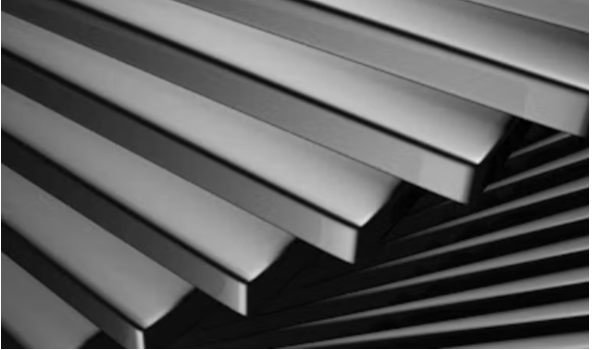
Among the most versatile and widely utilized components in engineering and building are L-shaped structural profiles, which provide exceptional reinforcement and load-bearing support.
Whether you are building heavy-duty shelving, framing a workshop workbench, or reinforcing architectural joints, choosing the correct supplies is critical.
Evaluating several key technical and physical factors ensures that the selected metal angles meet the rigorous demands of your specific project.
Determining the Appropriate Material Composition
The first and most crucial consideration is selecting the right material base, as different alloys and metals offer vastly distinct mechanical properties.
Common options include carbon steel for maximum structural strength, aluminum for lightweight corrosion resistance, and stainless steel for high-moisture or corrosive environments.
When specifying metal angles for a project, analyze the operating environment, load requirements, and exposure to moisture or chemicals to ensure the chosen material resists degradation and maintains its integrity over time.
Evaluating Dimensions, Thickness, and Leg Lengths
Structural profiles come in a vast array of standardized sizes, and getting the dimensions right is vital for proper fit and weight distribution. L-shaped profiles can feature equal legs or unequal legs, depending on the directional load requirements of the joint or frame.
Carefully calculate the thickness of the material and the length of the flanges before purchasing. Selecting appropriately dimensioned metal angles prevents structural sagging, ensures seamless alignment with other building components, and guarantees that joints can withstand anticipated stress.
Understanding Manufacturing Methods: Hot-Rolled Versus Extruded
How a structural component is manufactured directly impacts its grain structure, surface finish, strength profile, and cost.
Hot-rolled steel profiles are typically preferred for heavy structural applications due to their high tensile strength and toughness, whereas extruded aluminum profiles offer smooth finishes, tight tolerances, and easy machinability.
Knowing the production process behind your metal angles allows you to anticipate how the material will behave during cutting, welding, drilling, or structural assembly.
Assessing Finish, Coating, and Corrosion Resistance
Environmental exposure can severely compromise unshielded building materials, leading to rust, pitting, and eventual structural failure. Depending on whether your application is indoor, outdoor, or industrial, surface treatments matter immensely.
Look for options featuring galvanized coatings, powder coating, or mill finishes that offer adequate protection against rust and weathering. Proper surface preparation and protective finishes significantly extend the lifespan of structural installations in challenging environments.
Calculating Load Capacity and Weight Limitations
Every structural element must be engineered to handle specific load requirements without buckling, warping, or failing under pressure. You must evaluate whether the application involves static loads, dynamic forces, or seismic pressures.
Reviewing engineering load tables and structural charts helps you determine the exact gauge and grade required. Proper structural planning ensures safety, compliance with building codes, and peace of mind for permanent installations.
Factoring in Cost, Availability, and Sourcing
Project budgets and material availability often dictate what can realistically be built and when. Specialty alloys, custom thicknesses, or rare dimensions may carry higher price tags and longer shipping lead times compared to standard stock items found at local suppliers.
Balancing cost efficiency with quality specifications ensures that your project remains financially viable without ever compromising on the structural safety or performance of your final assembly.