

A comfortable and efficient home is easier to enjoy throughout the year. The right upgrades can improve indoor comfort, reduce energy waste, and make everyday living more convenient. You do not always need to make major changes to achieve these benefits. Small improvements in important areas can make a noticeable difference in how your home feels and functions. From windows and blinds to lighting, insulation, and smart technology, several upgrades can help create a more pleasant living environment.
Windows: Enhancing Comfort and Energy Efficiency
Upgrading windows can make your home more comfortable while helping control indoor temperatures. Older or poorly sealed windows may allow outdoor heat and cold to enter easily, making heating and cooling systems work harder. Modern, energy-efficient windows can provide better insulation and reduce unwanted drafts. They can also improve natural lighting and reduce outside noise, making rooms feel brighter and more peaceful.
Blinds: Improving Light and Privacy Control
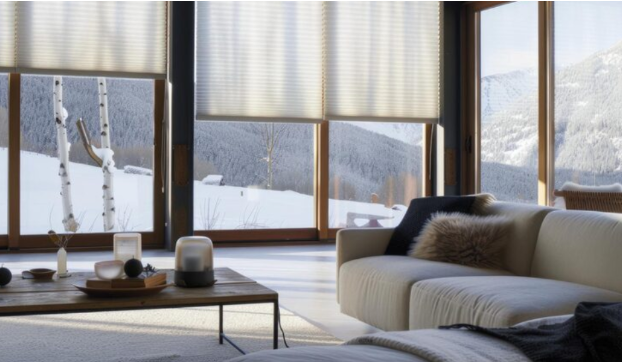
Choosing the right blinds for windows can give you better control over natural light, privacy, and indoor temperature. Blinds can help reduce strong sunlight during hot parts of the day while still allowing you to brighten your rooms when needed. Different styles, materials, and designs also make it easier to match window coverings with your home’s interior. This simple upgrade can improve both comfort and the overall appearance of your rooms.
Insulation: Maintaining a More Stable Indoor Temperature
Good insulation plays an important role in home efficiency. It helps slow the movement of heat between your home and the outdoors. During summer, insulation can help keep unwanted heat outside, while during winter, it helps retain warmth indoors. Improving insulation in areas such as the attic, walls, and floors can make your heating and cooling systems more effective and may help reduce unnecessary energy use.
Lighting: Creating a Brighter and More Efficient Home
Lighting is another practical area to consider when upgrading your home. Replacing older bulbs with energy-efficient LED lighting can provide good illumination while using less electricity. You can also add task lighting in kitchens, work areas, and reading spaces to make everyday activities easier. Dimmer switches and smart lighting controls can provide additional flexibility by allowing you to adjust brightness according to your needs.
Smart Technology: Making Everyday Tasks Easier
Smart home technology can improve convenience and efficiency without requiring major structural changes. Smart thermostats, for example, can help manage indoor temperatures according to your daily routine. Smart plugs and automated lighting can also make it easier to control electricity use. These technologies allow homeowners to manage different parts of the home more conveniently and can support more efficient everyday habits.
Doors: Improving Security and Indoor Comfort
Doors can affect both the appearance and performance of a home. Older doors with gaps or worn seals may allow air to escape, making rooms less comfortable. Replacing or improving exterior doors can help reduce drafts and improve insulation. Modern doors can also provide better security and create a more attractive entrance, making this upgrade useful from both practical and visual perspectives.
Efficient Appliances: Reducing Everyday Energy Use
Replacing outdated appliances with energy-efficient models can make daily household activities more economical. Refrigerators, washing machines, dishwashers, and other appliances are used regularly, so their energy consumption can add up over time. Modern efficient appliances are designed to perform everyday tasks while using fewer resources. Choosing suitable models based on your household needs can therefore improve overall home efficiency.
Conclusion
Transforming your home does not always require a complete renovation. Upgrading windows, improving blinds, adding insulation, updating lighting, using smart technology, improving doors, and choosing efficient appliances can all contribute to a more comfortable and efficient home. By focusing on upgrades that match your home’s needs, you can create a space that is more enjoyable, practical, and suitable for everyday living.