
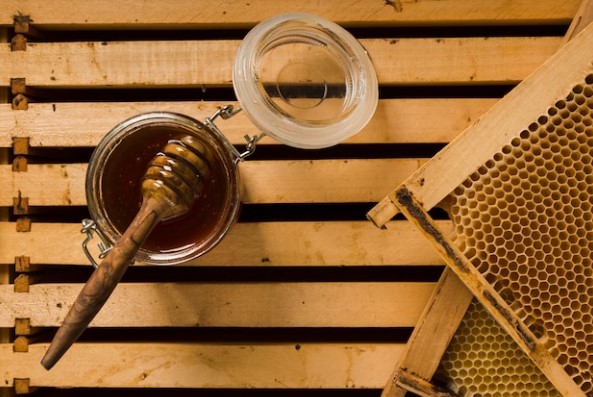

Beekeeping supports pollination and provides fresh honey. Successful beekeeping requires preparation, patience, and suitable equipment. Choosing reliable beekeeping supplies helps beginners work safely, inspect colonies, and maintain healthy hives. Choose equipment that matches your hive type and climate. Ask experienced local beekeepers for practical first purchasing advice.
1. A Complete Beehive
A sturdy hive gives a colony a protected place to live, raise young bees, and store honey. A setup includes a bottom board, brood box, frames, foundation, cover, and roof. Some systems also use honey supers as the colony grows.
When choosing beekeeping supplies, check that every component fits the same hive design. Correct sizing makes inspections easier and prevents gaps.
2. Protective Clothing
A bee suit or jacket, veil, gloves, and closed boots help protect your skin while you work. Choose clothing that fits securely around wrists and ankles. A veil is especially important because it protects the face and eyes.
Good beekeeping supplies should allow movement without leaving exposed areas. Inspect protective clothing for holes, loose fasteners, or damaged mesh before opening a hive.
3. Smoker and Hive Tool
A smoker produces cool smoke that can help reduce defensive behavior during hive inspections carefully. Choose a sturdy model with a heat shield, and keep suitable fuel available.
A hive tool helps separate boxes, lift frames, and remove wax or propolis. These practical beekeeping supplies make inspections more manageable. Learn safe smoker handling and avoid excessive smoke.
4. Feeder and Bee Brush
A feeder can provide supplemental food when natural nectar sources are limited or a new colony needs support. The correct feeder depends on the hive design and local conditions.
A soft bee brush can gently move bees from frames when necessary, although careful handling is best. Add these beekeeping supplies when they suit your management plan, and keep feeding equipment clean to reduce contamination.
5. Inspection and Record-Keeping Tools
A notebook or digital record helps track inspection dates, queen activity, brood patterns, food stores, and signs of pests or disease. A flashlight and magnifier may also help you observe details.
Some beekeepers use a frame grip to lift frames comfortably. Useful beekeeping supplies are not limited to physical tools; accurate records help you notice changes and make informed decisions.
6. Cleaning and Honey-Handling Equipment
Clean equipment supports good hygiene during hive care and honey collection. Depending on your plans, you may eventually need an uncapping tool, food-grade bucket, strainer, and honey extractor.
Beginners with one hive can often borrow extraction equipment rather than buying everything immediately. Select beekeeping supplies made for food contact, clean them thoroughly, and store them in a dry place.
Final Thoughts
Starting with the right essentials makes learning more organized and helps protect the beekeeper and colony. Buy compatible equipment, prioritize protective clothing, and seek guidance from an experienced local beekeeper or association. Expand your beekeeping supplies gradually as your colony develops and your skills improve. With regular inspections, safe handling, and careful maintenance, beginners can build confidence and support healthy, productive hives.